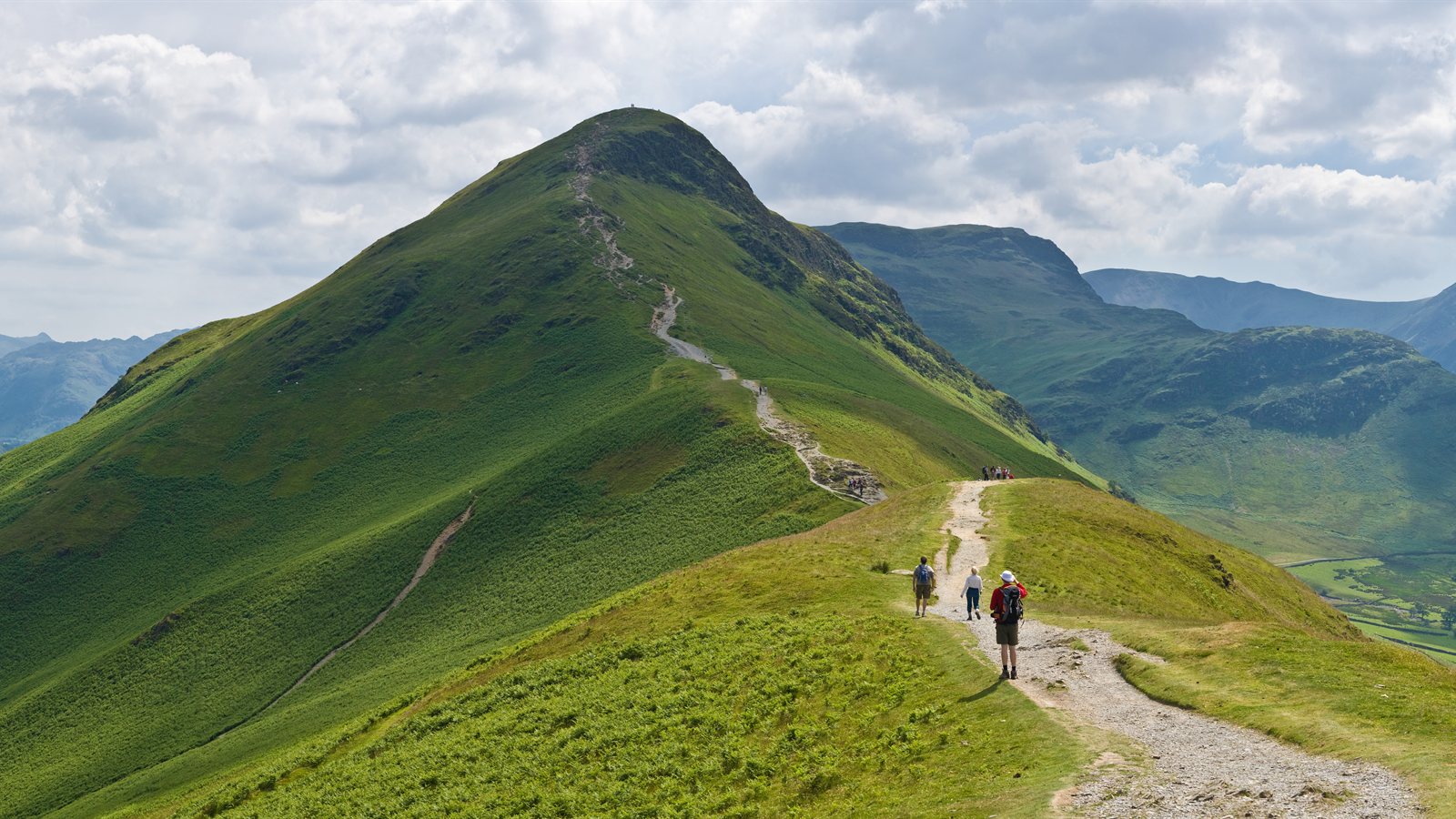
Honest Stage Distances
Every stage has been measured with a wheel and walked repeatedly by wardens carrying real packs, so the distances, ascent figures and times we publish are what an ordinary walker actually experiences rather than what a mapping application calculates. Where a stage is harder than its numbers suggest — a long boulder field, an exposed traverse, a ford that needs care — that is stated plainly. Two stages are marked as difficult and we recommend splitting them; nobody has ever complained about being told the truth in advance.
Drying Rooms in Every Cabin
River valleys are wet places, and a walker who starts the second day in soaked boots will not finish the week. Each cabin has a separate heated drying room with rails, a boot rack over warm flooring, a dehumidifier and enough space for a full house of walkers. Wardens light it before the first arrivals appear. Spare wool socks, laces, insoles, a repair kit and a small stock of blister dressings are kept in every cabin and given away rather than sold.
Beds Rather Than Platforms
Mountain accommodation often means a shared platform, a borrowed blanket and very little sleep. Our cabins have individual mattresses with proper pillows and duvets, small rooms of two to four beds as well as a bunk room, and reading lights that do not disturb the person next to you. Sheets are provided so nobody needs a sleeping bag. It costs more to run and it is the reason walkers in their sixties and seventies complete the route in numbers.
Food That Matches the Effort
Evening meals can be booked with the bed: one dish, cooked by the warden from what the valley produces, served at a long table at seven, with soup, bread, cheese and something sweet around it. Breakfast is substantial and available from six. Packed lunches are made to order the night before. Cabins that can be reached by track also carry a small stock of pasta, rice, oil, coffee and chocolate for self-caterers, sold at valley prices rather than at altitude prices.
Wardens Who Walk the Stages
The person handing over the key has walked the path you are taking tomorrow within the last few days. That means current information about a washed-out ford, a fallen tree, a dry spring, a bull in a meadow or a section of snow still lying in a north-facing gully. The evening briefing is informal, takes ten minutes and is the single most useful thing we provide. Wardens also carry a radio and a first-aid kit and know exactly how a rescue would reach each part of the stage.
Escape Routes and Support
Every stage has a marked escape route to a road, and a vehicle can reach nine of the eleven cabins. If somebody twists an ankle, runs out of enthusiasm or has to leave for family reasons, we collect them the same day and move their booking rather than charging for the unused nights. Luggage can be transported between the road-accessible cabins, which allows walkers to carry a day pack for most of the route and makes the whole trek possible for people who could not manage a full load.