About us
Built Because the Route Had Nowhere to Sleep
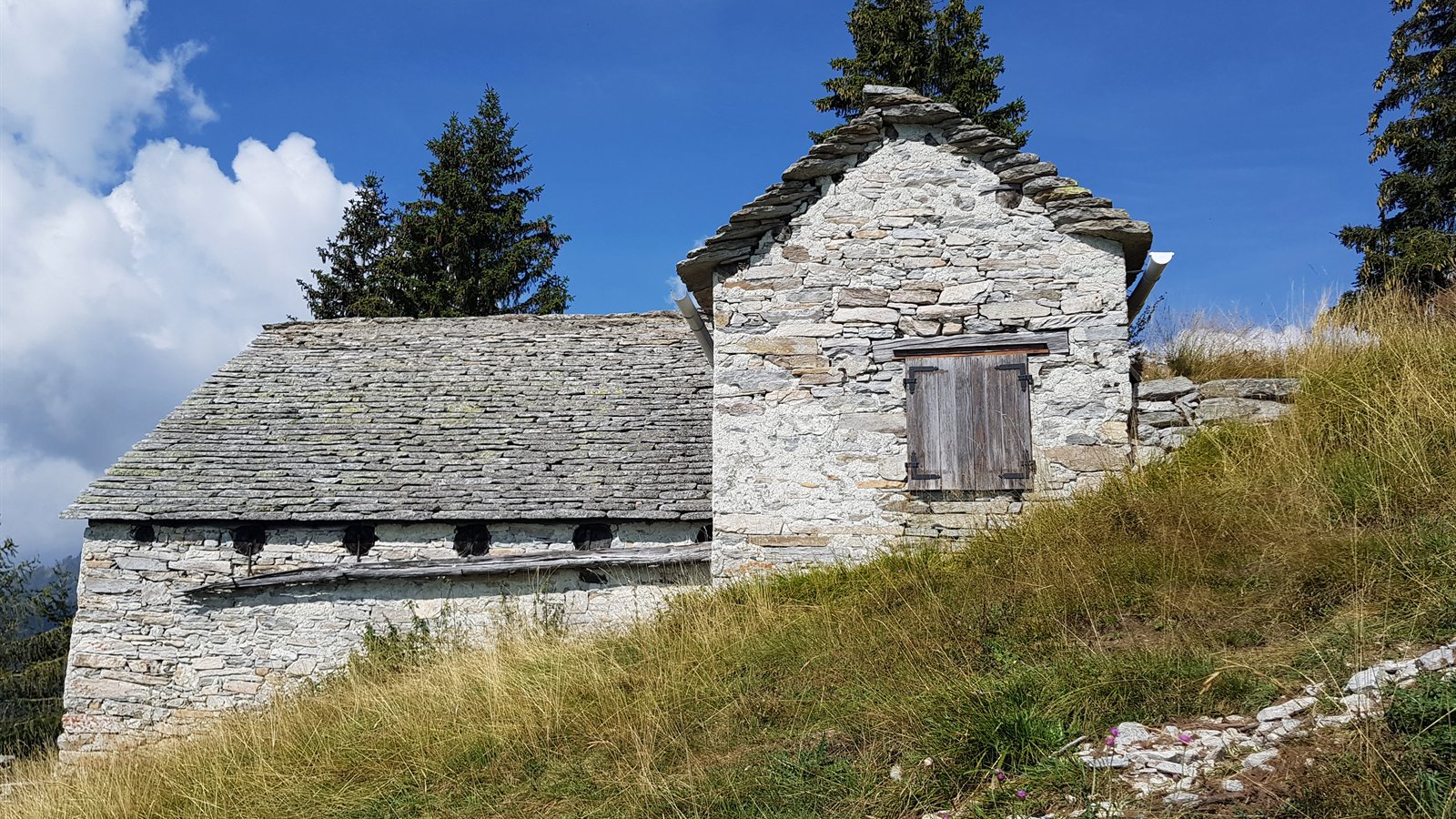
The trail existed long before we did — a chain of old transhumance paths, mule tracks and forest roads linking four river valleys — but it was unwalkable as a continuous route because the gaps between villages ran to thirty-five kilometres with nothing in between. A walking association mapped it, and we built or restored eleven buildings to close those gaps: three former shepherds' huts, two abandoned mills, a customs post and five new cabins raised on stone footings where nothing suitable existed.
The specification is deliberately modest and completely consistent. Every cabin sleeps between eight and eighteen in a mixture of small rooms and one bunk room, has hot water from a solar tank with a wood-fired backup, a proper drying room, a wood stove, a kitchen open to guests, mattresses and pillows rather than sleeping platforms, and a long table. There is no wi-fi in seven of them and there never will be. What there is instead is a shelf of books, a card game and other people to talk to.
Each cabin has a warden through the season who walks the stages either side every week, records the state of the path, the fords and the water sources, and passes that on to walkers arriving in the evening. Between seasons the same wardens repair waymarks, clear fallen timber and rebuild the drystone that holds the path on the steeper traverses, work funded from a fixed share of every bed booked.